








Yoga for children: what you need to know
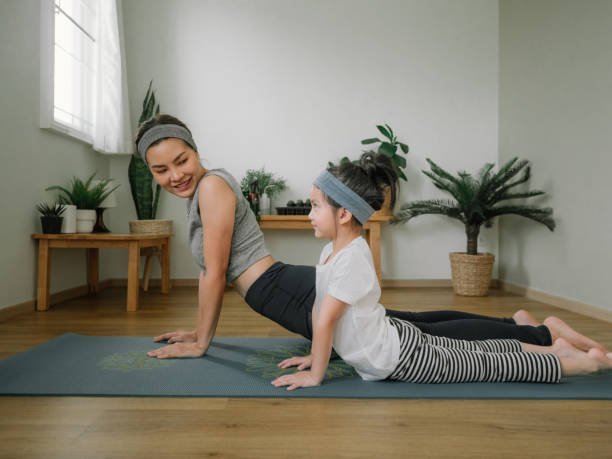
Yoga can not only transform the lives of adults but help children develop physically and mentally in order to find harmony and happiness.
It is no exaggeration to think about enrolling your children in yoga classes. For several centuries, this Indian discipline has united body and mind. It is proven to help transform adults.
The same benefits can help the physical and mental development of children.
Body awareness
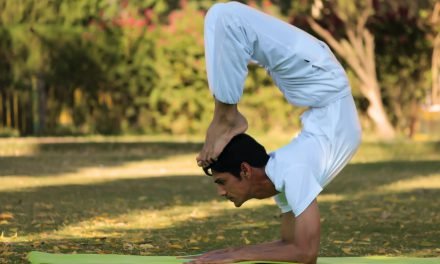
Yoga postures and exercises strengthen the child’s body and make it more flexible.
- Listened to his physical state, the child learns to move freely and easily, as well as to express himself.
Peace of mind
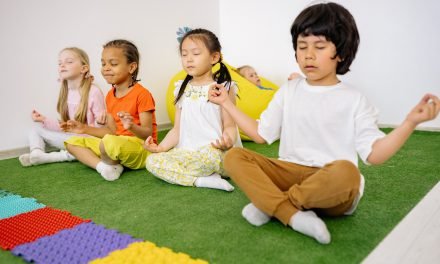
Yoga invites tranquility and relaxation, whether by performing poses or during a guided visualization at the end of the class.
- Calmed self-awareness is a powerful antidote to our modern culture of relentless electronic stimulation.
Self-esteem
As children gain strength, flexibility and focus, their self-confidence increases.
- He understands that he can accomplish a lot with focused effort and the right attitude.
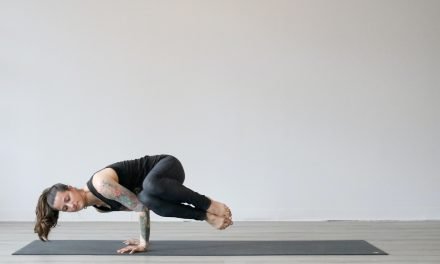
The balance
Many yoga poses require physical balance. In practice, holistic yoga also seeks to establish a balance in life, combining activity and relaxation, health and pleasure, restlessness and calm, contentment and effort.
To manage stress
Because yoga is a physical exercise, it releases endorphins which create a feeling of well-being.
- Its meditative component helps calm body and mind as well as slows down breathing.
- Its philosophical component promotes the absence of judgment and competition as well as the sense of self-acceptance.
The parental bond
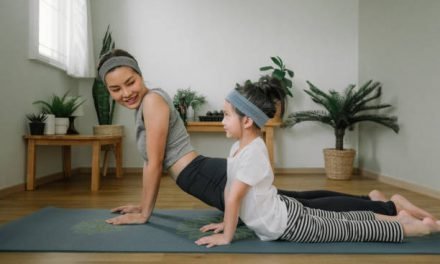
Yoga is an ideal discipline to practice alone or in a group. You can also do yoga with your children to share the same interest and grow together.
Academic achievement
When they learn to concentrate through yoga, children are more engaged in school. Studies show that students attending schools with yoga programs perform better in exams.
At school, yoga helps students in different ways:
- Stress reduction. This is especially useful if they are in demanding school programs with exams.
- Collaborative work . Yoga seeks to create harmonious relationships with others and its environment. So, poses with a partner teach the child the value of working together.
- Healthy choices . As a holistic discipline, yoga encourages students to adopt healthy eating habits and create positive personal relationships.
Recognizing the value of yoga, many schools now offer yoga classes.
Have you ever watched a young child who twists easily? Wouldn’t it be wonderful to keep that flexibility all your life? He can if he starts his yoga training now.