





Exercises suitable for scoliosis

In the case of scoliosis, exercise is very important because an abnormally curved spine can lead to pain and weakness. Vigorous exercise should be avoided, but regular activity can help reverse symptoms.
Not all exercises are suitable for scoliosis. Physical activity is required as part of treatment, but not strenuous and should be tailored to the individual situation. Keep in mind that it is always best to seek professional care whenever possible.
If you have scoliosis, your spine curves to the side, preventing the correct posture of your body. It occurs most often during the growth period before puberty, but can also affect adults, especially women.
According to information from the National Institute of Arthritis and Musculoskeletal and Skin Diseases, the curvature is usually C or S shape and can occur on both sides or other parts of the spine. In this case, you may be wondering how you can exercise.
Exercises suitable for scoliosis
In the case of scoliosis, you may have already been advised to avoid physical activity that requires too much effort. This does not mean that you should stick to a sedentary lifestyle or give up exercise.
As an article edited by the Cochrane Library shows, there are specific exercises that can help with scoliosis. The best part is that you can do it at home and at the gym.
These exercises help to strengthen the muscles surrounding the spine that function to stabilize the posture. Thus, it relieves symptoms such as feelings of pressure or pain.
1. Pelvic lift
A pelvic lift, also known as a ‘bridge’, is one exercise you can do at the gym for scoliosis. No special equipment is required and the intensity can be adjusted according to physical ability.
A study published in The Journal of Physical Therapy Science found that this exercise helps strengthen the abdominal muscles and contributes to the rehabilitation of patients suffering from instability and low back pain.
exercise method
- Lie on the floor with your knees bent and your feet flat on the floor.
- Next, tighten your abs and keep your back flat on the floor.
- Raise your pelvis to the ceiling and hold for 5 seconds.
- and then back down to the floor.
- Repeat 2 sets of 10 reps each.
Bridge exercises are great for scoliosis and can be easily done at home.
2. Arm and Leg Raises
Lumbar strengthening exercises are ideal for the rehabilitation of people with scoliosis. So if you have these symptoms, you can include arm and leg lifts in your workout routine.
According to a study published in the Journal of Exercise Rehabilitation, this activity is useful for strengthening the muscles responsible for stabilizing the lumbar spine. It is also good as an adjunct therapy to reduce spinal fatigue.
exercise method
- First, get down on the floor.
- Extend your arms over your head and keep your palms flat on the floor.
- With your legs straight, starting in this position, lift one arm off the floor. Simultaneously raise the opposite leg.
- After inhaling 1 or 2 times, lower yourself to the floor and repeat the exercise with the opposite arm and leg.
- Repeat 15 times each

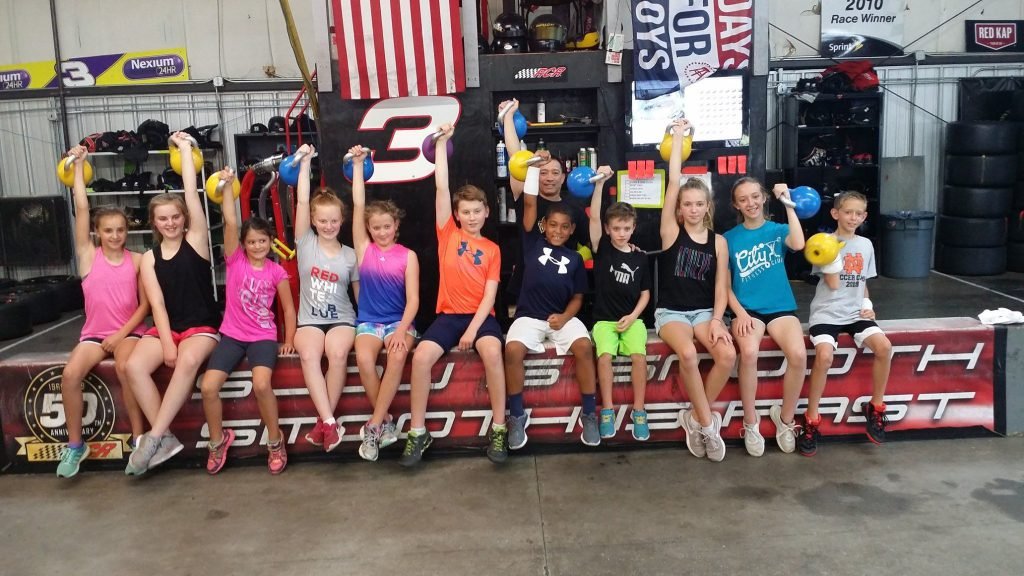
3. Kettlebell Weight Workout
Most gyms have a tool called a kettlebell, which is gaining popularity because of the many benefits of using it. In particular, it is good for exercises for the gluteus maximus or abs, which help to stabilize the body balance.
Basic movements such as shaking, raising, and jerking require the use of various muscle groups. Ultimately, it helps with coordination and increases resistance and balance. This is really good for people with scoliosis.
exercise method
Various sizes and weights exist. If you have scoliosis, ideally no more than 9 kilograms. In fact, it is best to consult with a professional, as the weight used may vary depending on the individual condition.
- This classic exercise requires only one kettlebell. Place it between your knees and bring it over your head in one motion. Keep your back straight.
- Repeat 10 to 12 times in 2 sets.
4. Abdominal pressure
Exercising the core, the area that covers the entire abdomen and lowers the back, can promote the rehabilitation of patients with spinal deformities. Abdominal pressure is an exercise that performs this function. In fact, this exercise can help improve your posture.
exercise method
- Lie on your back with your knees bent and your feet on the floor.
- Keep your back in a comfortable position so you don’t feel any tension.
- Raise both calves to a 90 degree angle.
- Use your hands to push your knees down and contract your abs. Do a static exercise by pushing your knees with your hands. Simply put, your leg or arm should not move when you press it. Push each other to tighten your abs.
- Take 3 deep breaths and relax.
- Do 2 sets of 10 reps.
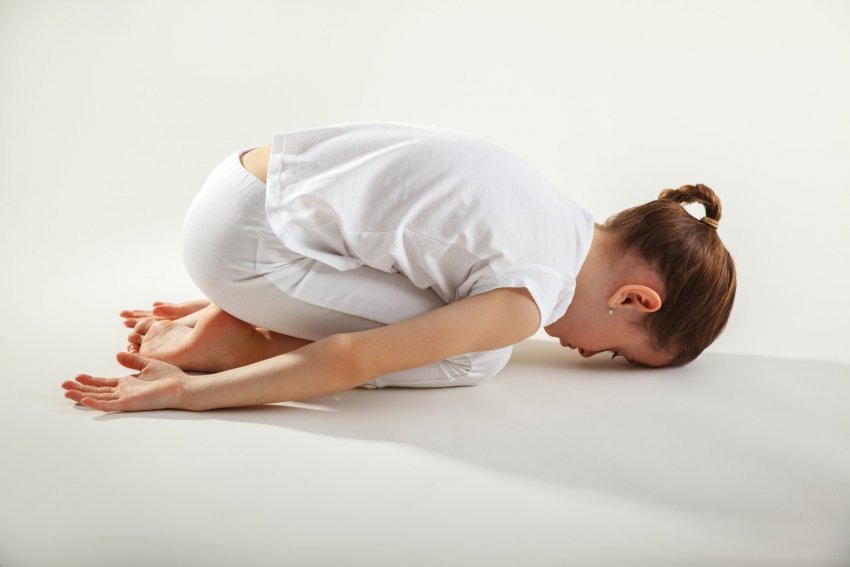
Abdominal pressure exercises are useful for scoliosis and can be done in multiple sets.
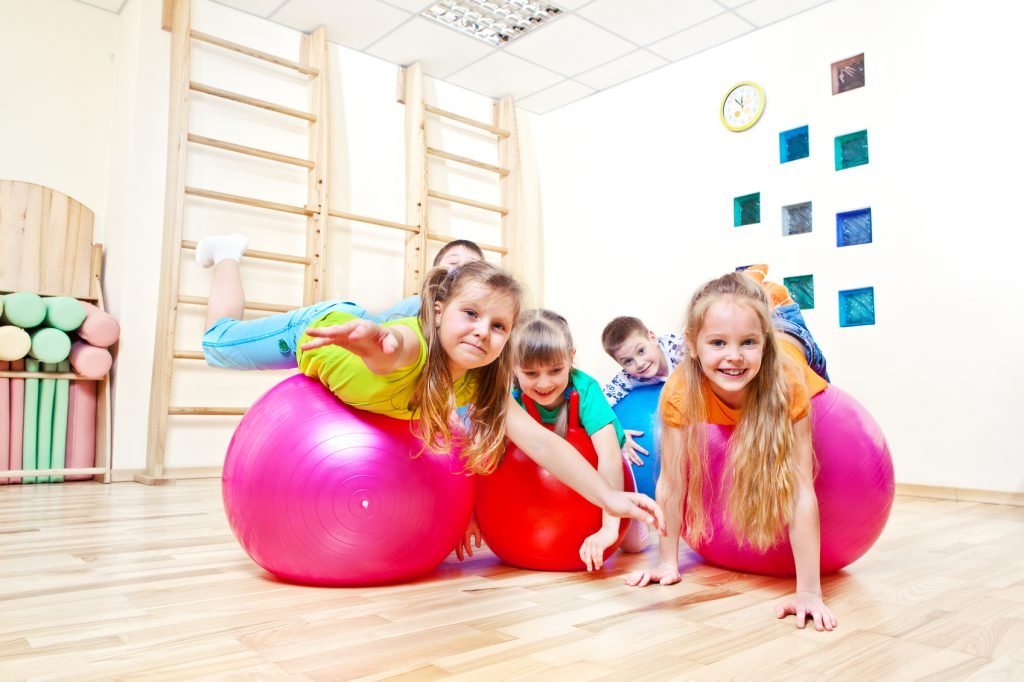
5. Short Crunches with Yoga Balls
This exercise strengthens the abs and lower back muscles. It is one of the exercises that can be done when the shape of the spine is out of alignment.
exercise method
- Lie on your back on a yoga ball.
- Place the ball under your back, feet on the floor and hip-width apart.
- Put your hands behind your head, and in this position, tighten your glutes and raise your upper body.
- Then, push your chin toward your chest and lower it in a gentle motion, repeating.
- Do 2 sets of 15 reps.
Exercises that make scoliosis worse
If the above exercises can improve your scoliosis, here are some exercises that increase your risk of secondary injuries or more serious symptoms:
- hockey
- soccer and american football
- gymnastics and ballet
- trampoline
- Running long distances on hard surfaces
- Weight lifting (bodybuilding)
- riding
Importance of expert management
Symptoms of scoliosis vary from patient to patient. So, if you think you may have these symptoms, talk to your doctor. Symptoms often improve with self-management and exercise. However, there are cases where other treatments such as physical therapy, medication, or surgery are required.
Finally, moderate exercise is recommended as part of the rehabilitation process. In general, any activity that strengthens the core is suitable. In any case, seek advice from a professional trainer at the gym. Any exercise can be counterproductive if not performed properly.